HIRAI Youth Camp 2026: Inspiring the Next Generation to Protect Indonesia’s Peat Forests Through Hands-on Learning
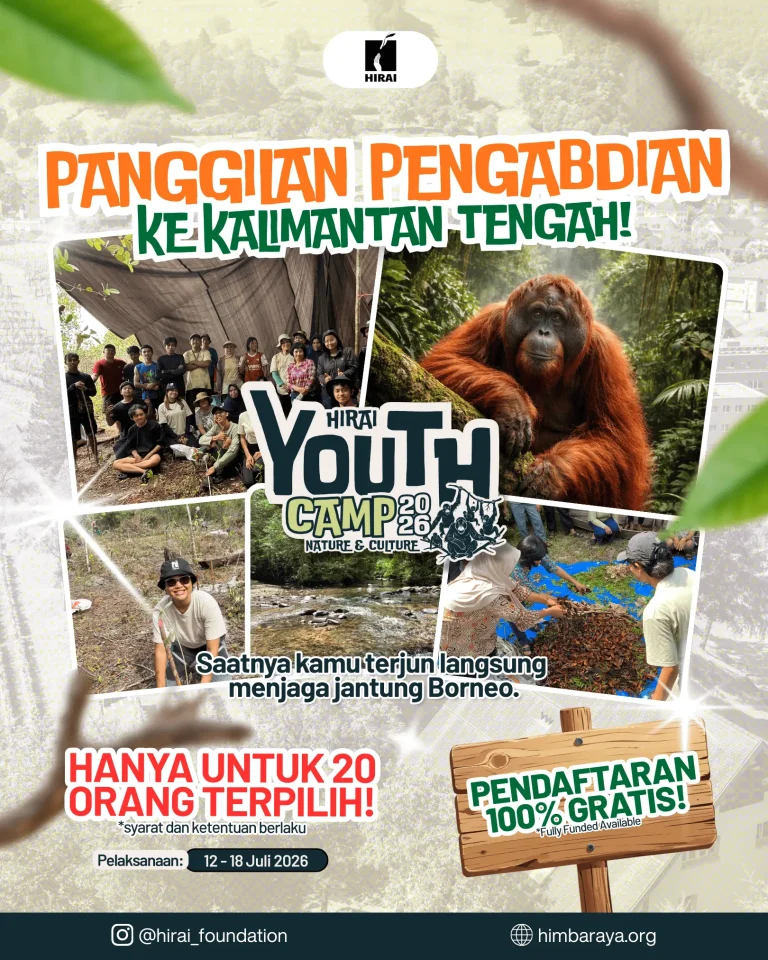
Central Kalimantan, Indonesia – HIRAI Foundation successfully hosted HIRAI Youth Camp 2026, an immersive environmental leadership program designed to connect young people with nature, local communities, and Indonesia’s rich cultural heritage. The camp combined conservation activities, cultural experiences, and environmental education, allowing participants to gain first-hand knowledge of peatland restoration while developing a stronger commitment to protecting the environment.
Throughout the program, participants learned that conserving forests is not only about planting trees—it is about monitoring, maintaining, and ensuring that restoration efforts continue to thrive for years to come.
Monitoring 3,192 Trees for Peatland Restoration
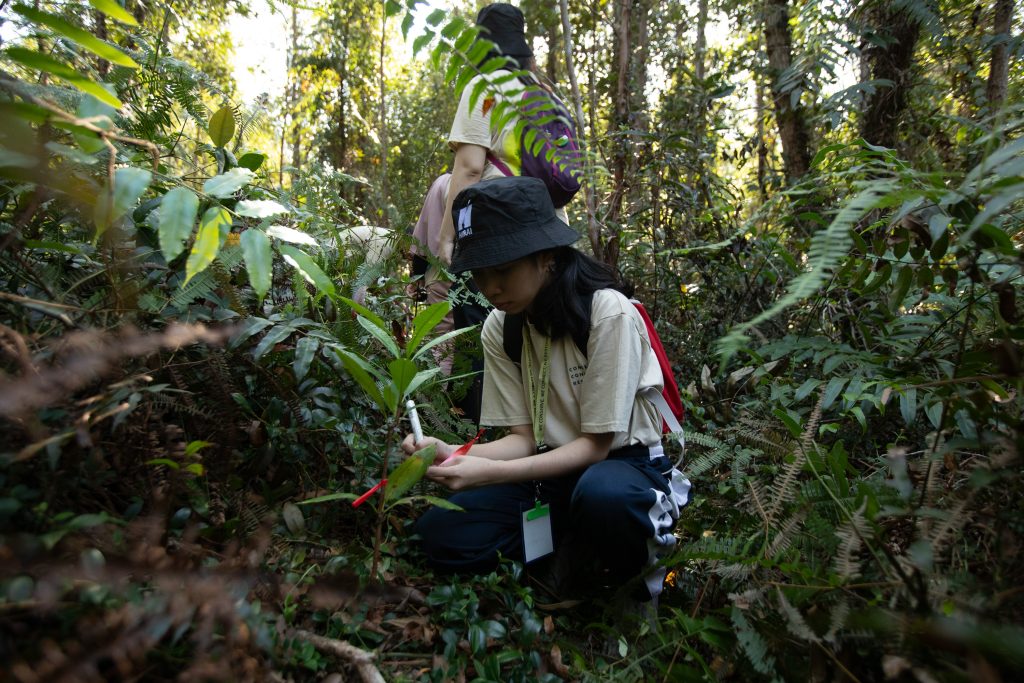
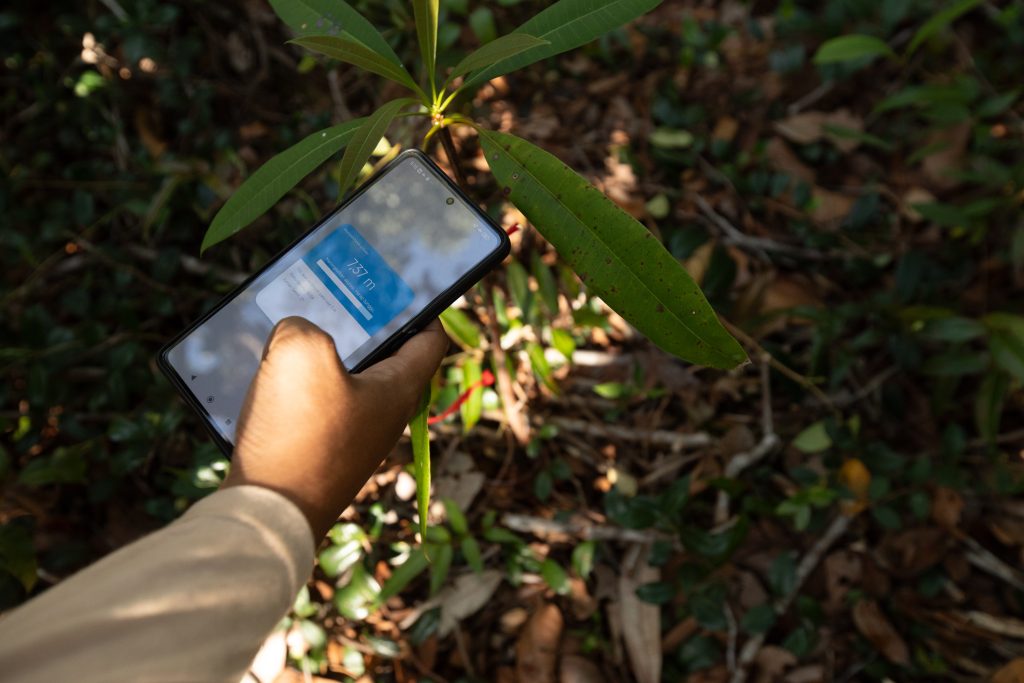
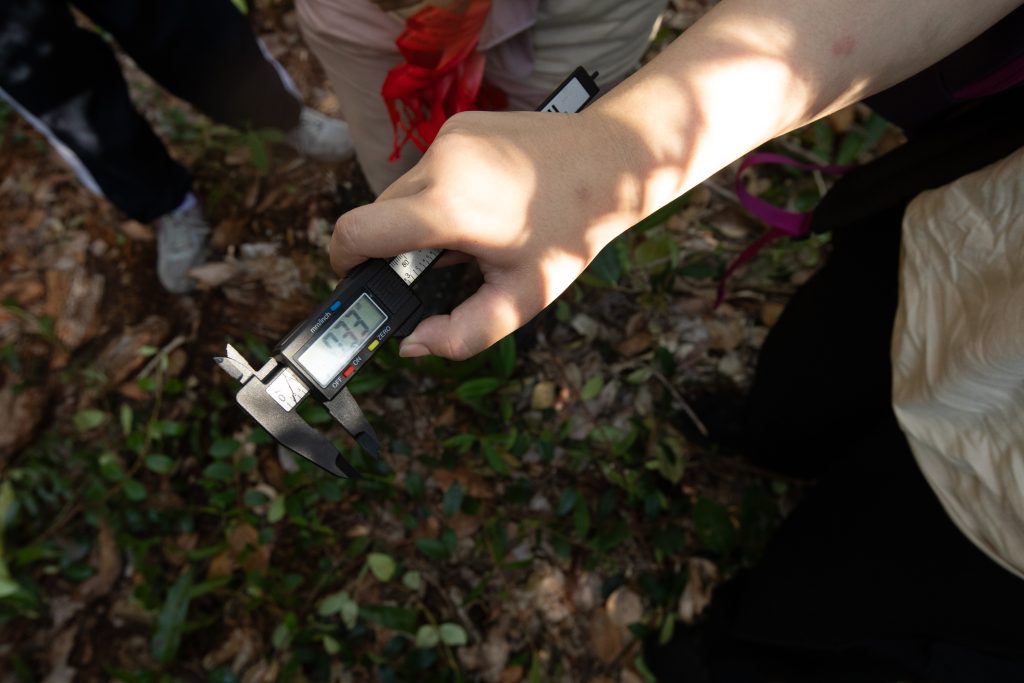
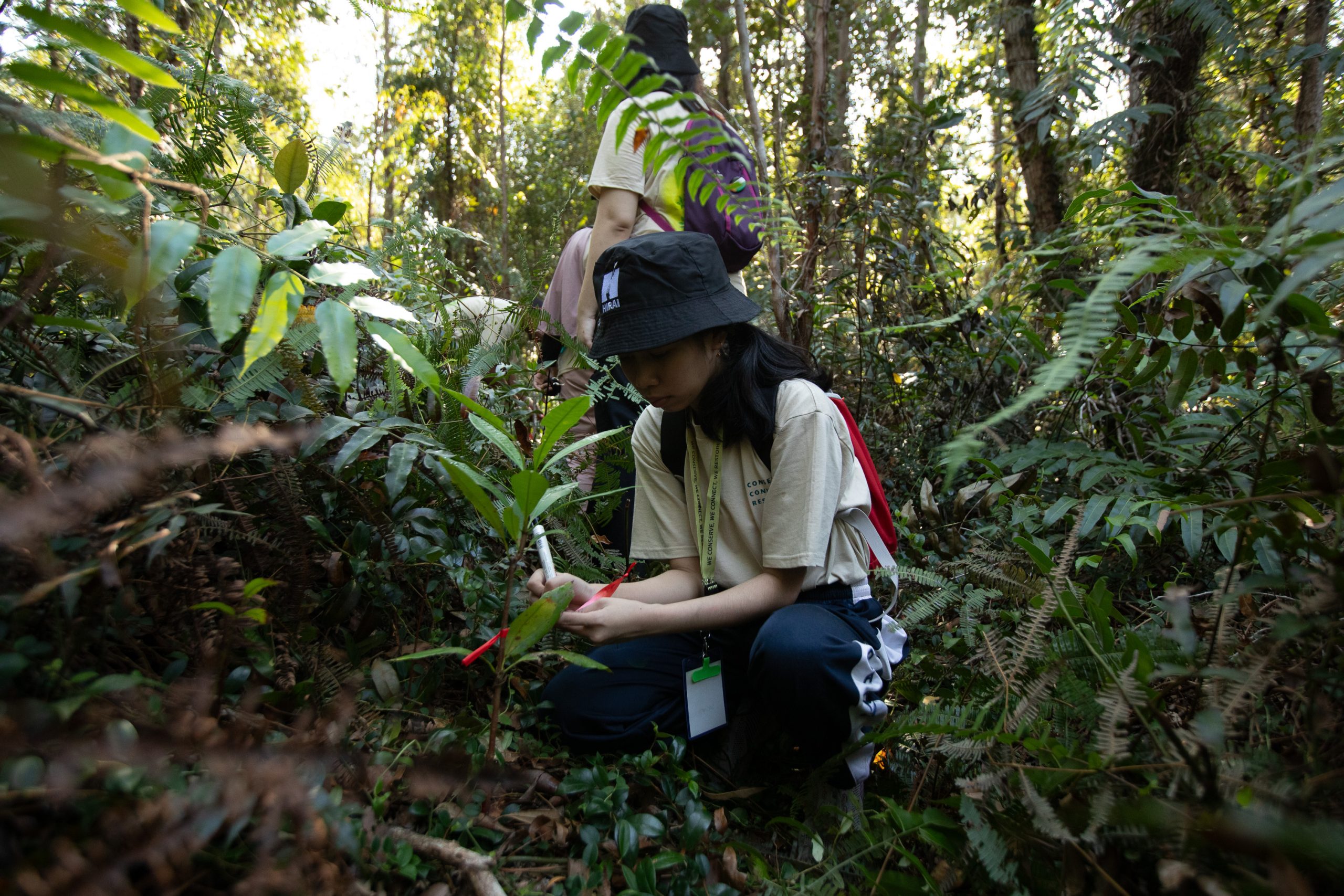
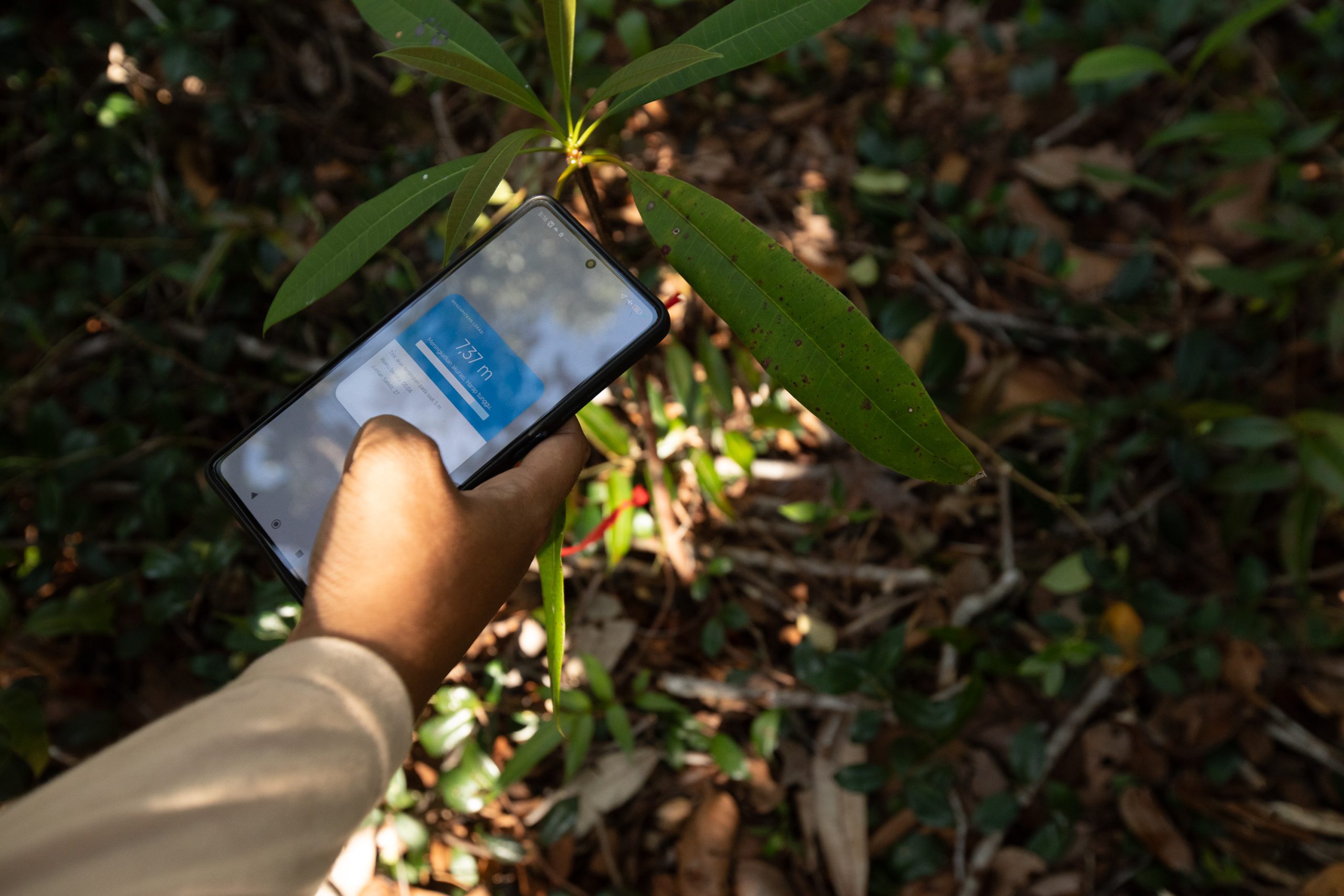
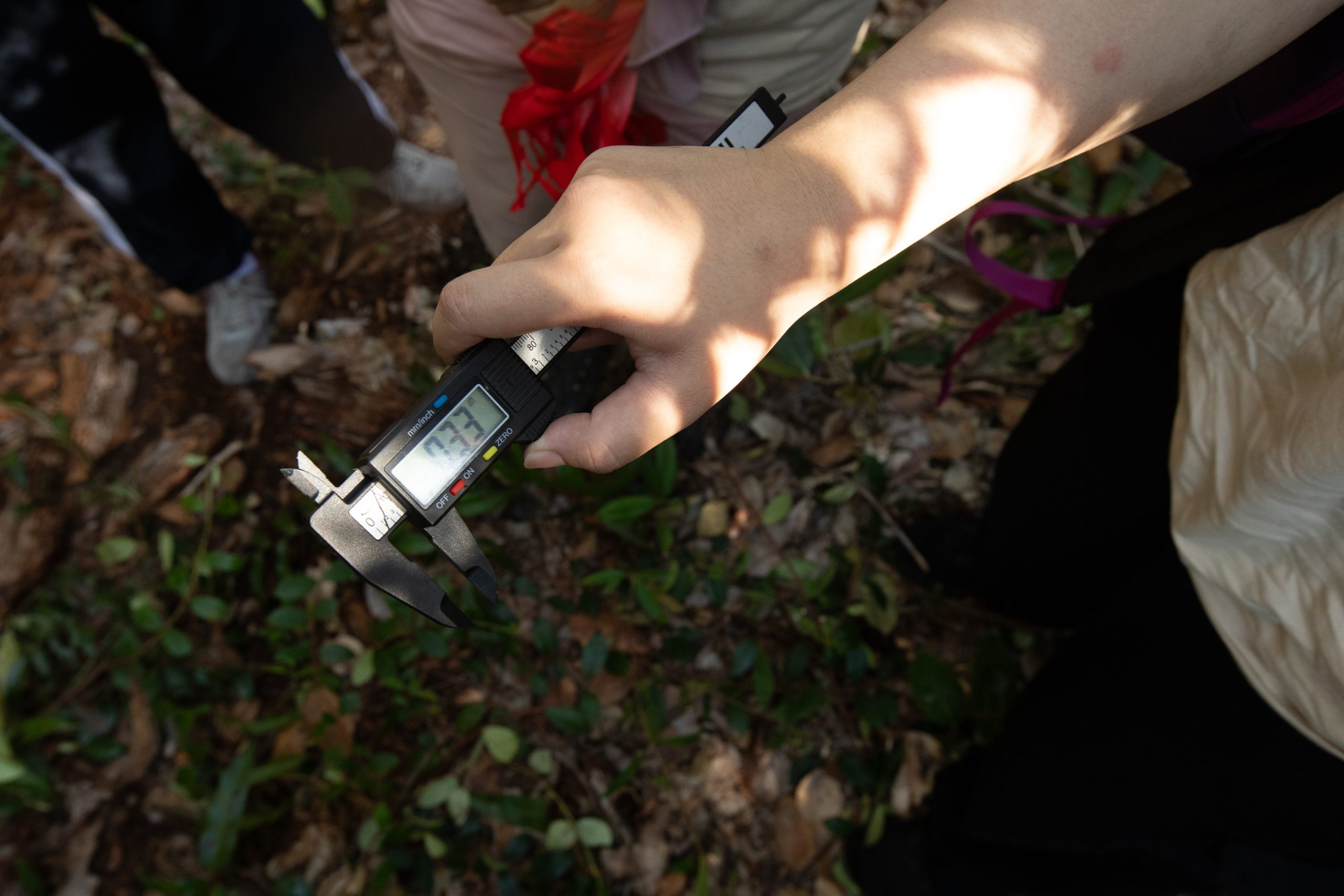
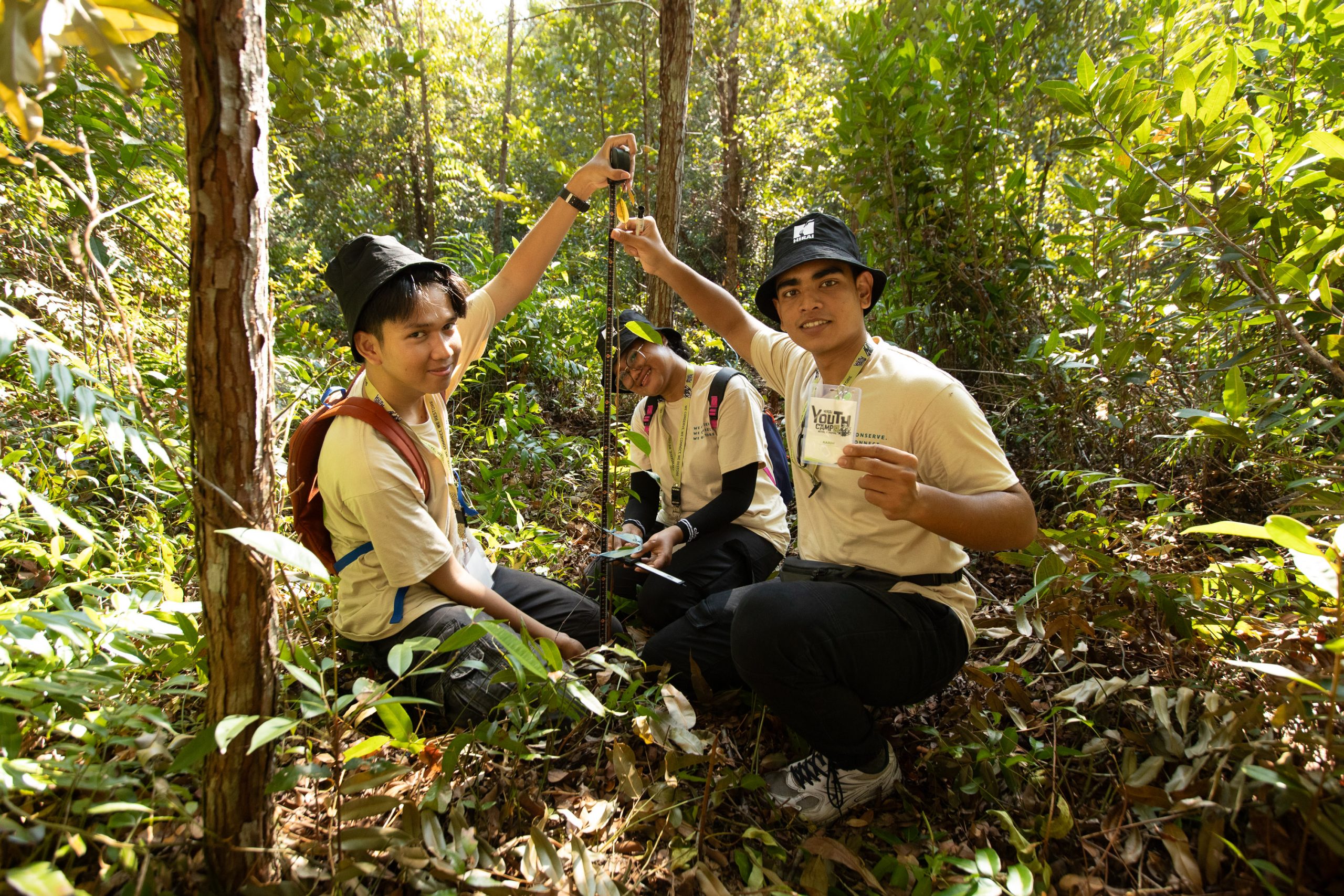
One of the highlights of HIRAI Youth Camp 2026 was the tree monitoring activity conducted in a peatland restoration area. Rather than simply planting trees, participants were introduced to the long-term process of restoration by assessing the condition of trees that had been planted in previous years.
The monitoring activity was carried out in collaboration with the PS KTH Kahui Team (Community Forestry Group) and students from Muhammadiyah University of Palangka Raya, who guided participants in collecting field data, measuring tree growth, assessing tree health, and recording observations using standardized monitoring methods.
Working alongside local community members and university students gave participants valuable insight into how collaborative conservation efforts contribute to successful ecosystem restoration.
During the monitoring, a total of 3,192 trees were assessed. The results showed:
- 1,593 trees (50%) were in healthy condition.
- 161 trees (5%) were categorized as less healthy.
- 51 trees (2%) were in critical condition.
- 1,387 trees (44%) were classified as dead, including 377 trees that were not found during field monitoring.
These findings will serve as the basis for HIRAI Foundation’s next restoration phase, including replanting all dead trees to improve the long-term success of the restoration program.
Learning Beyond the Classroom
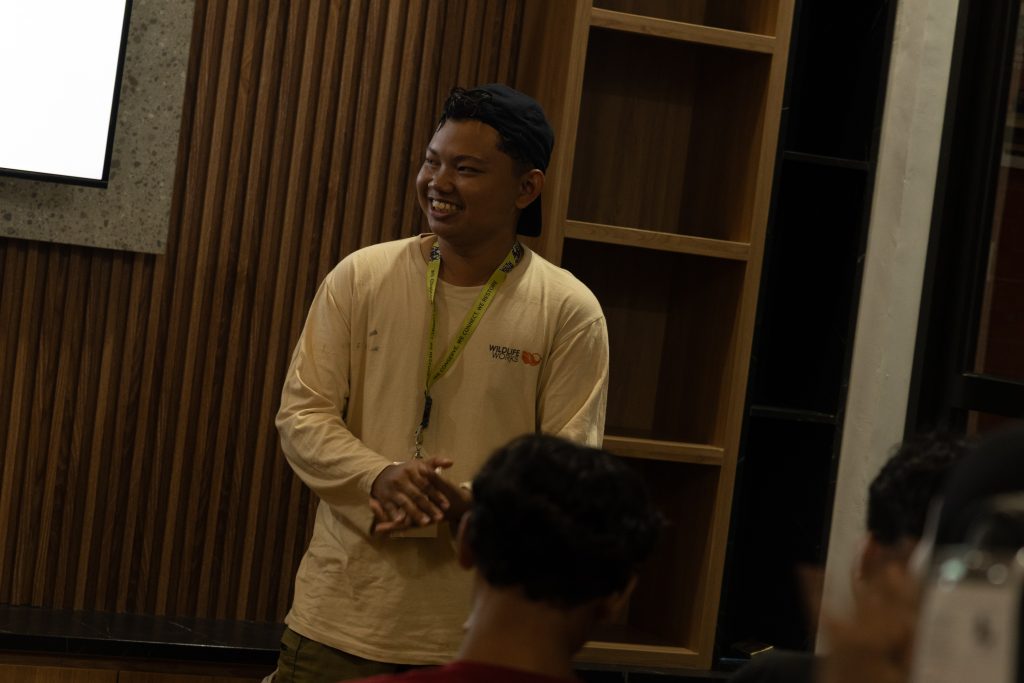
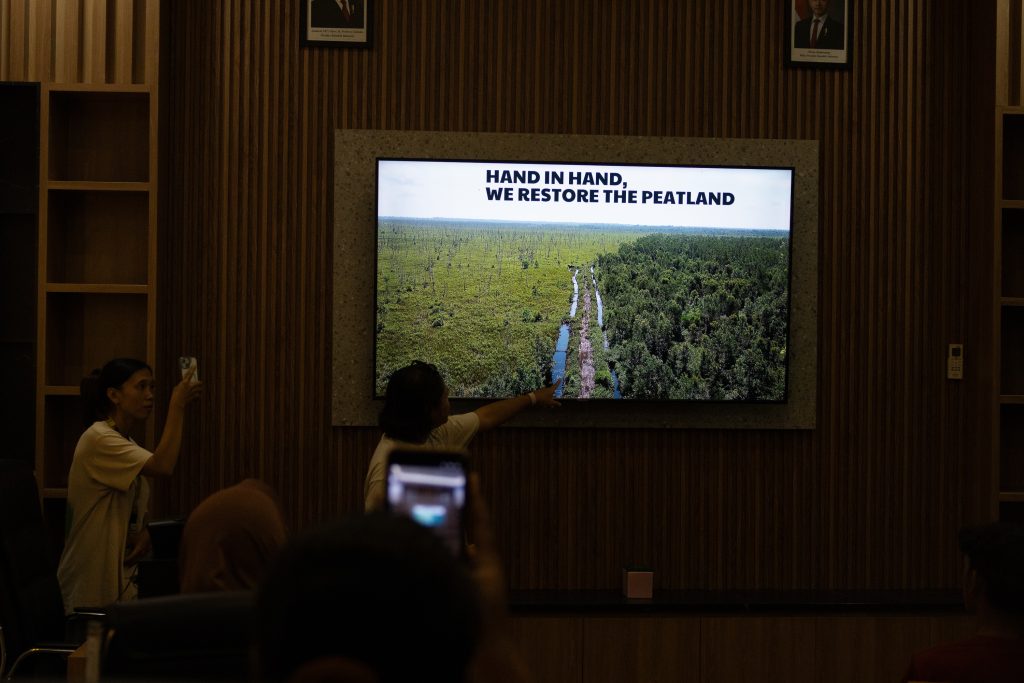
HIRAI Youth Camp embraced an experiential learning approach, allowing participants to learn directly from nature rather than solely through lectures.
By spending time in peat forests, participants gained a deeper understanding of peatland ecosystems, biodiversity conservation, climate change mitigation, and the importance of long-term forest management. They also learned that restoring degraded ecosystems requires continuous monitoring, adaptive management, and collaboration among governments, local communities, researchers, and civil society organizations.
Discovering Dayak Wisdom Through Storytelling
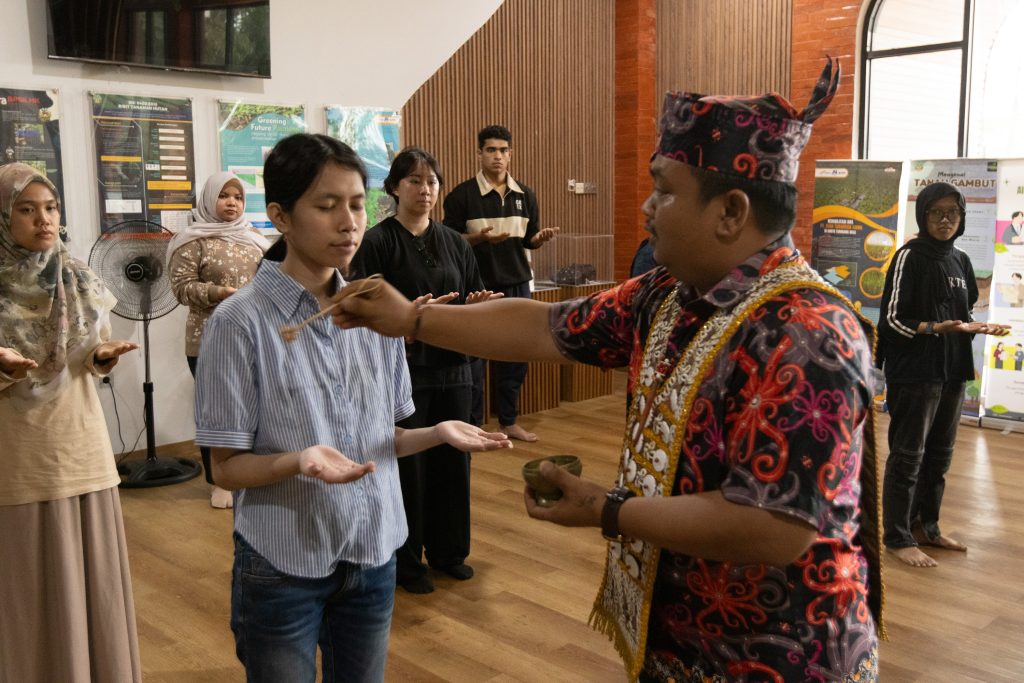
Environmental conservation was closely connected with local culture throughout the camp.
Participants joined a Dayak Storytelling session, where they listened to traditional stories and indigenous knowledge that illustrate the deep relationship between the Dayak people and the forests of Borneo. The storytelling highlighted how forests are viewed not merely as natural resources but as living ecosystems that sustain culture, livelihoods, and future generations.
The session encouraged participants to appreciate that indigenous knowledge has long played an important role in protecting forests and promoting sustainable living.
Learning Traditional Dayak Dance
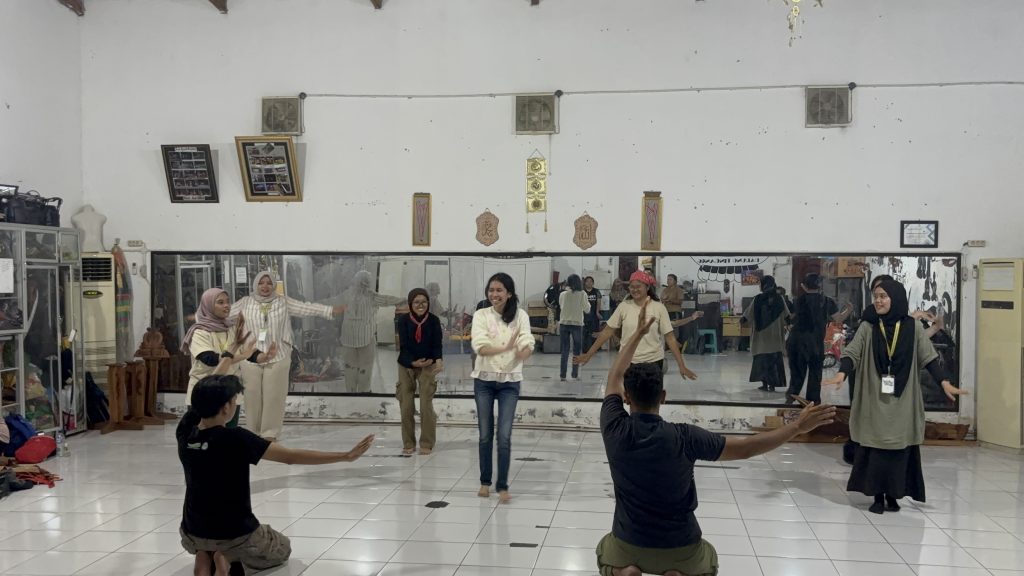
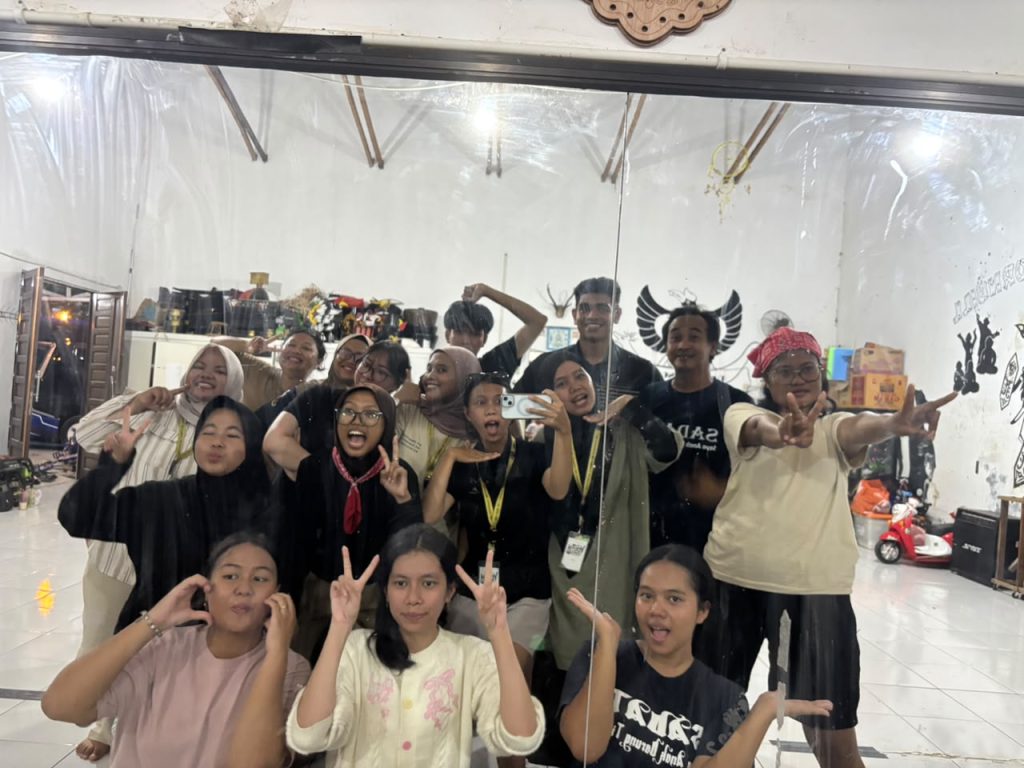
To further immerse participants in local culture, HIRAI Youth Camp also organized a Dayak Traditional Dance Workshop.
Guided by local instructors, participants learned basic dance movements while discovering the cultural meanings and values behind each performance. The workshop became a meaningful cultural exchange, demonstrating that preserving traditional arts is closely linked to preserving the identity and heritage of local communities.
Visiting Permakultur Kalimantan
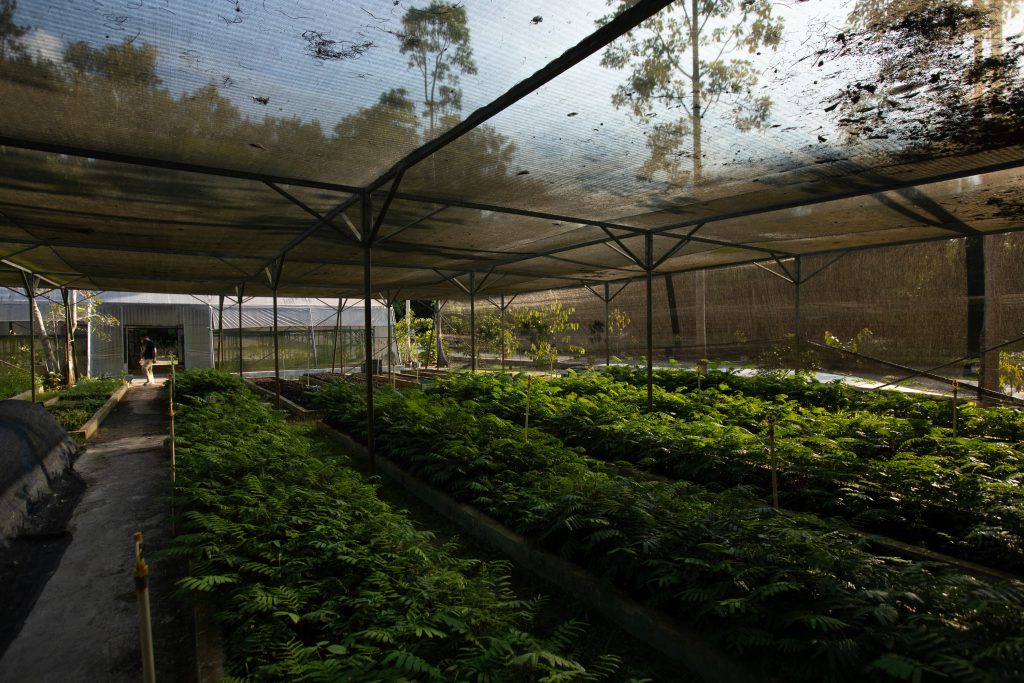
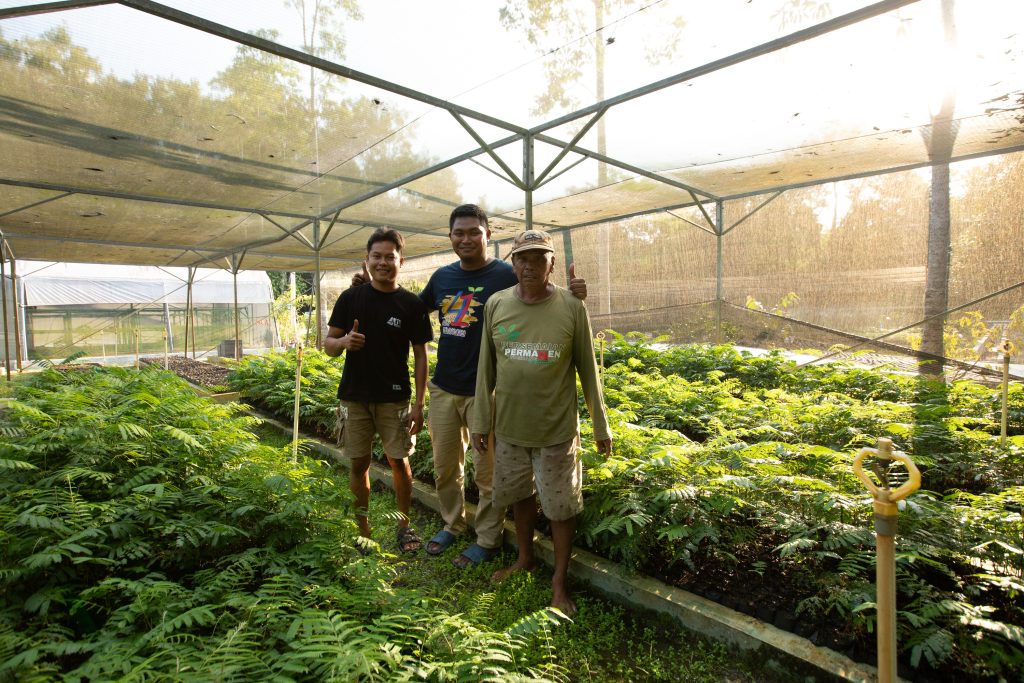
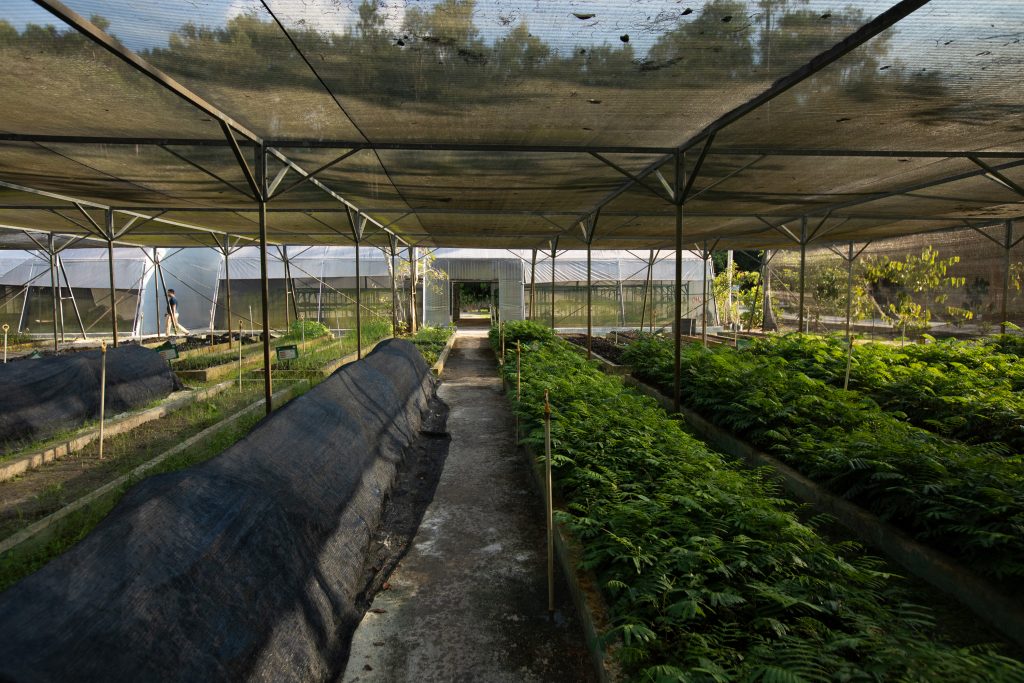
Participants also visited Permakultur Kalimantan, where they explored sustainable farming practices that work in harmony with nature.
During the visit, participants learned about regenerative agriculture, sustainable food production, and ecological land management. The experience demonstrated practical ways communities can produce food while maintaining healthy ecosystems and reducing environmental impacts.
Witnessing Orangutan Conservation at Pulau Kaja
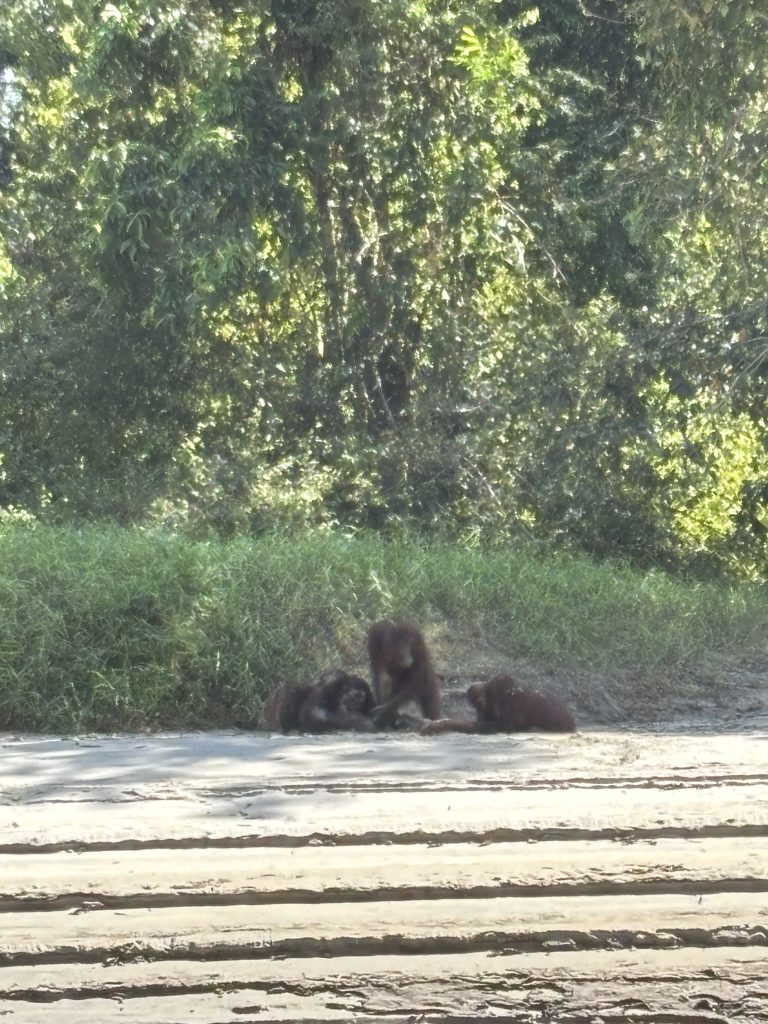
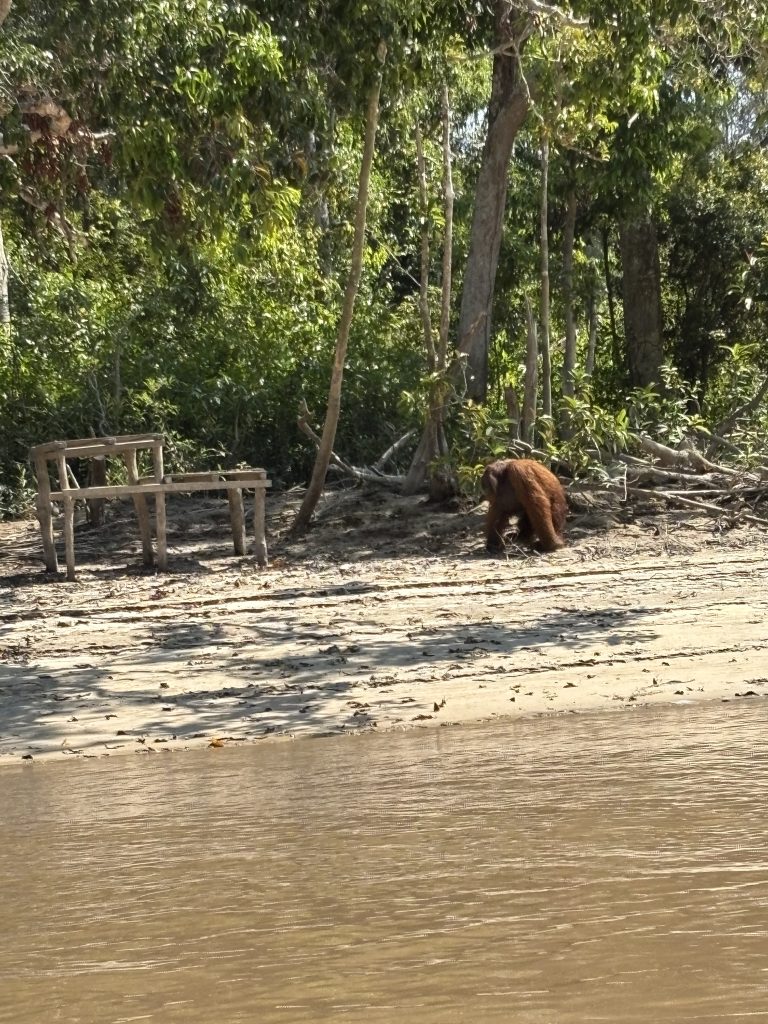
Another memorable experience was visiting Pulau Kaja, a pre-release island for rehabilitated orangutans before they are returned to their natural forest habitat.
Participants learned about the rehabilitation process, the challenges of orangutan conservation, and the importance of protecting forest habitats to ensure the survival of one of Borneo’s most iconic species. The visit reinforced the understanding that forest restoration benefits not only trees but also the wildlife that depends on healthy ecosystems.
Empowering Young Environmental Leaders
Beyond field activities, HIRAI Youth Camp encouraged participants to become future environmental leaders.
Through discussions, reflections, and collaborative sessions, participants developed ideas and innovative solutions to address environmental challenges in their own communities. The program fostered critical thinking, teamwork, and leadership while inspiring participants to take action for a more sustainable Indonesia.
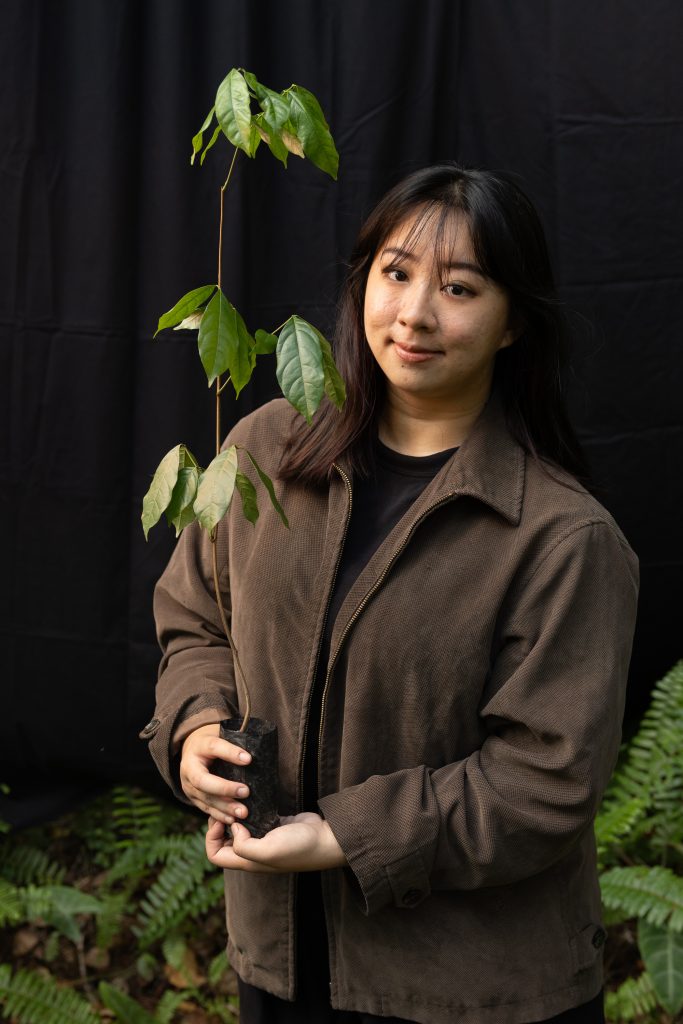
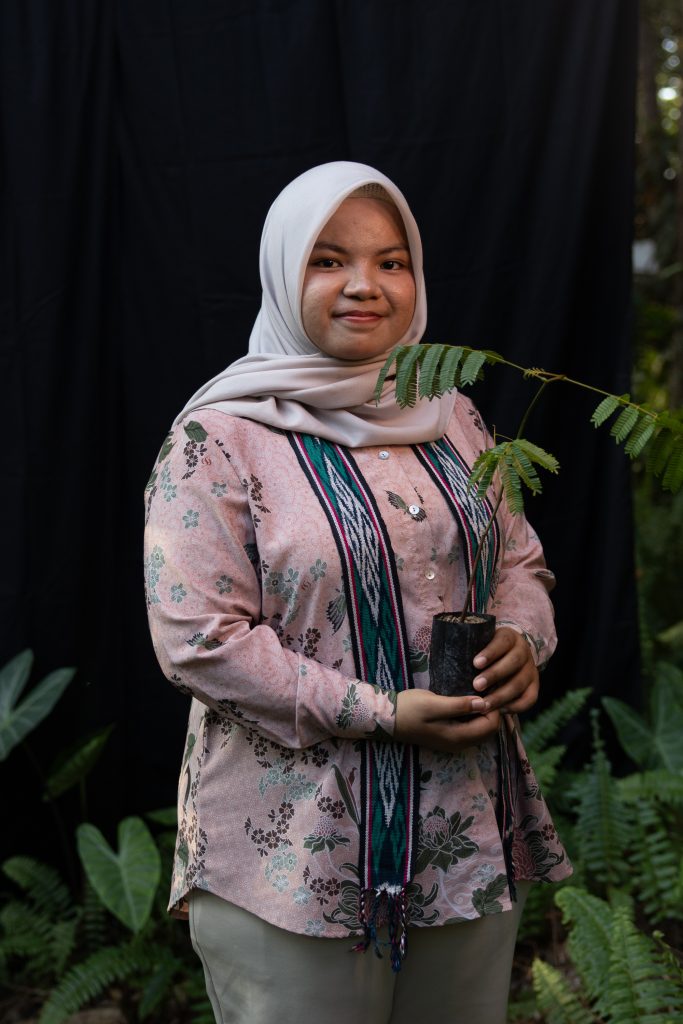
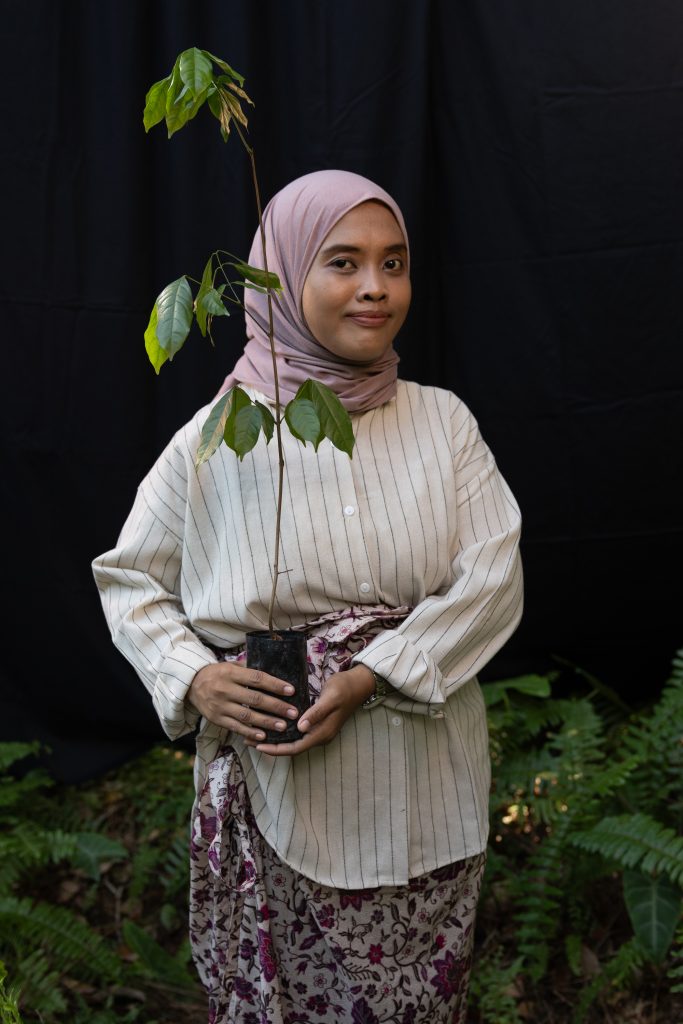
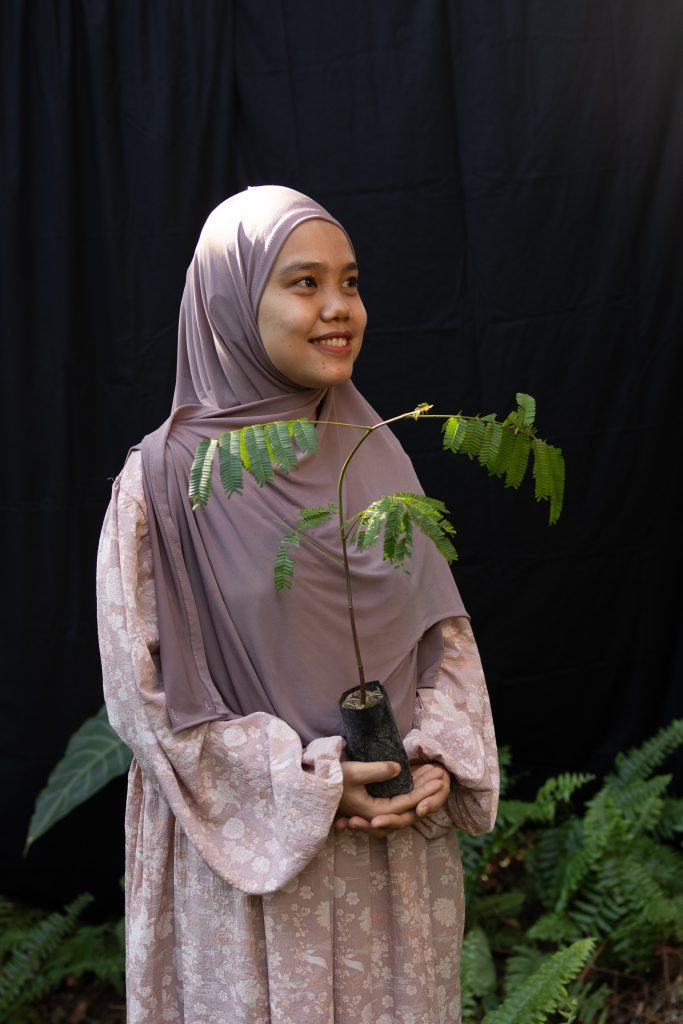
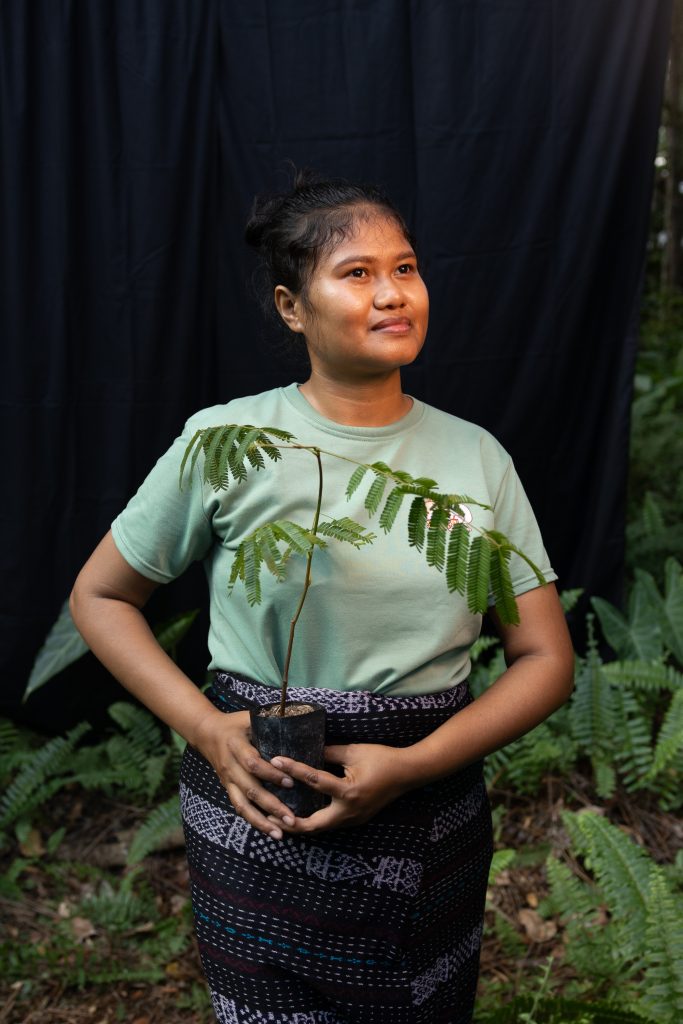
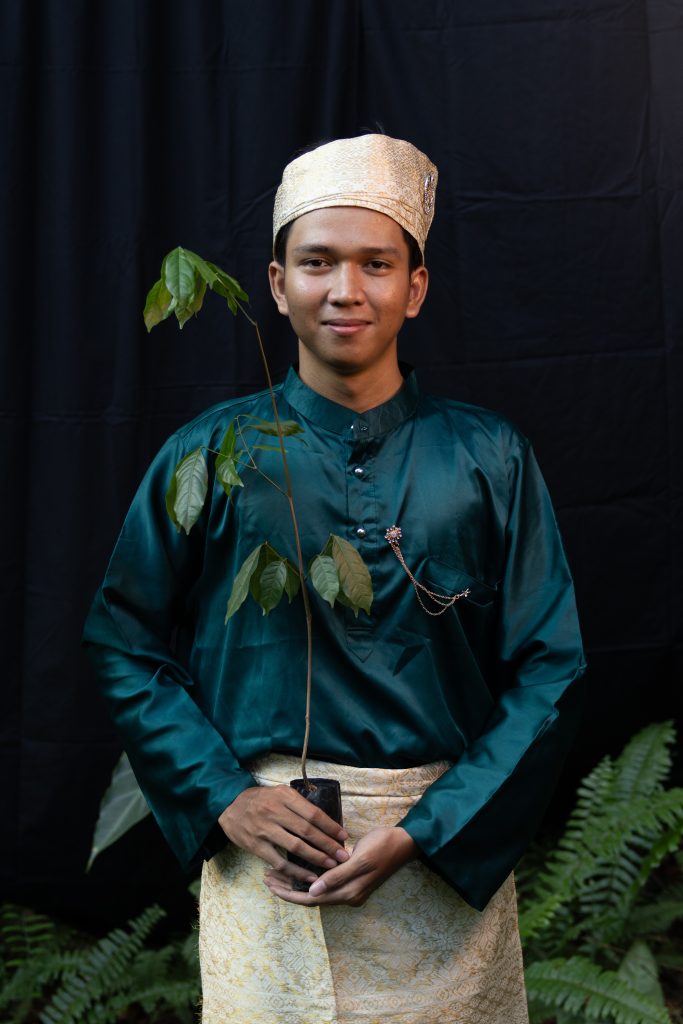
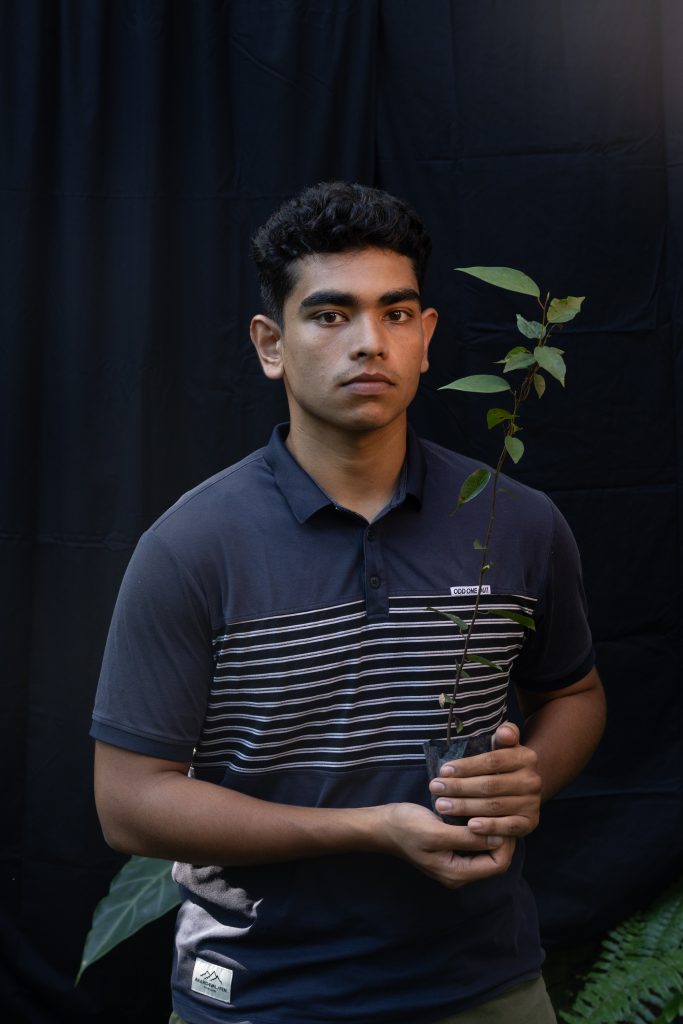
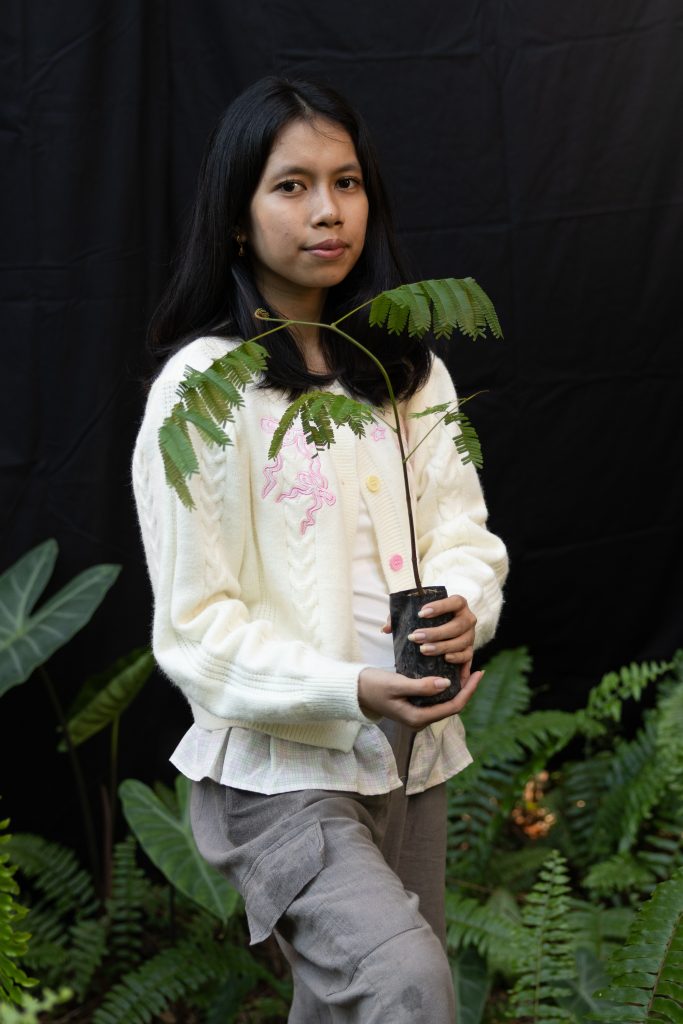
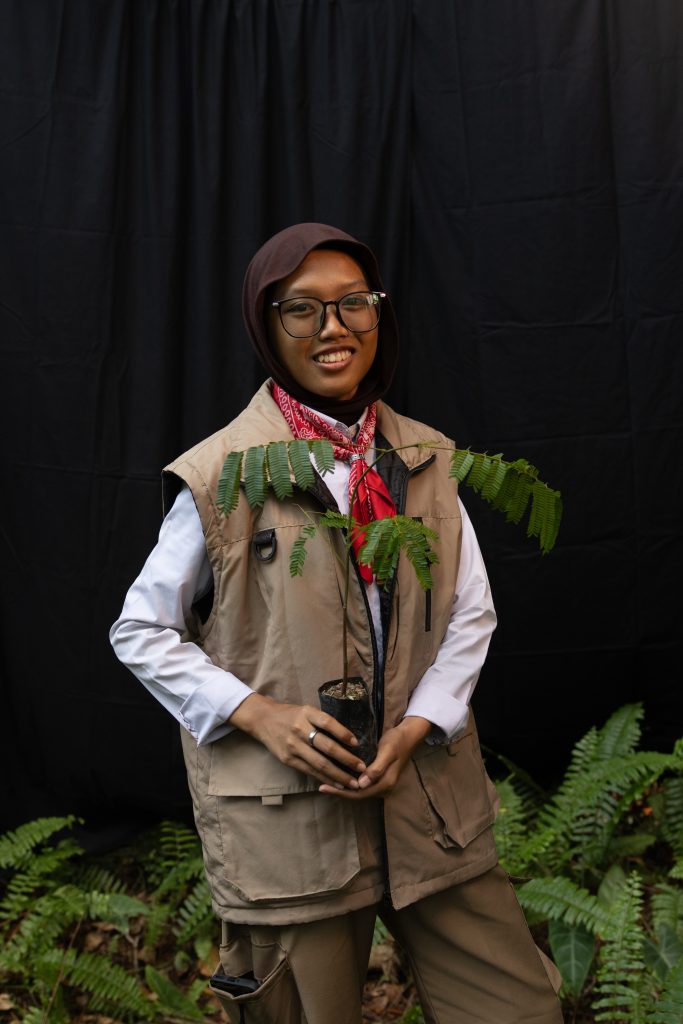
By the end of the camp, participants had gained:
- Greater awareness of the ecological importance of peatland forests.
- A stronger commitment to environmental stewardship.
- Practical knowledge of tree monitoring and ecosystem restoration.
- A deeper appreciation of Dayak culture and indigenous conservation values.
- Inspiration to develop innovative environmental initiatives in their communities.
- New connections with fellow young leaders, conservation practitioners, academics, and local communities.
Building a Greener Future Together
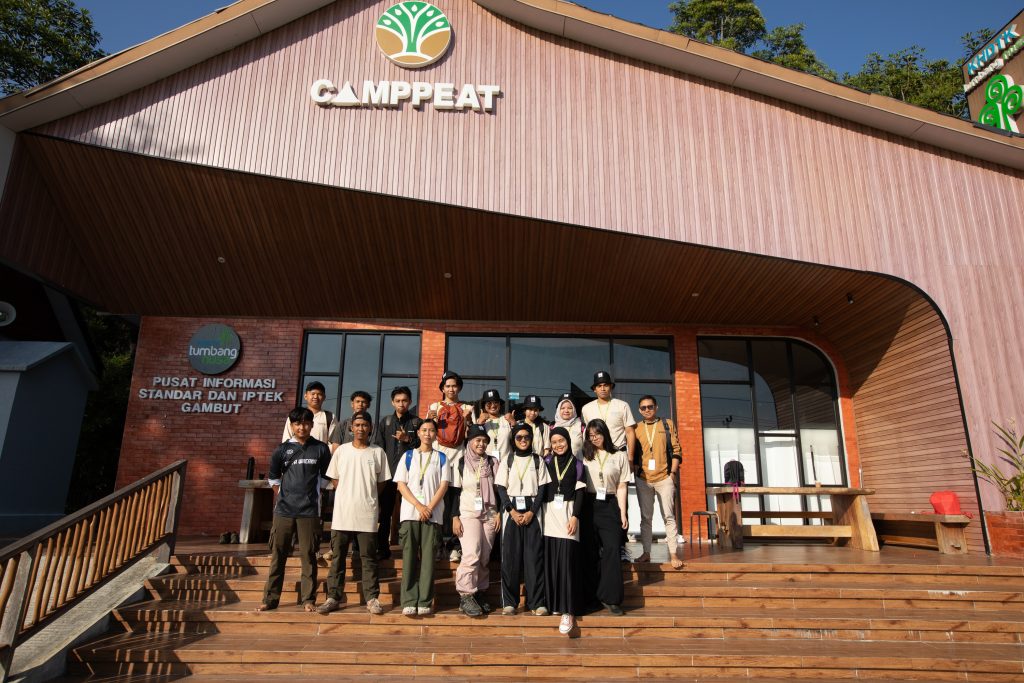
HIRAI Youth Camp 2026 demonstrated that meaningful environmental education happens when young people are given opportunities to learn directly from nature, local communities, and conservation practitioners.
HIRAI Foundation extends its sincere appreciation to the Center for Hydrometeorological Disaster Mitigation and Forestry, the PS KTH Kahui Team, Muhammadiyah University of Palangkaraya, all sponsors, partners, volunteers, facilitators, and participants whose collaboration made this program possible.
Together, these collective efforts are helping nurture a new generation that is not only aware of environmental challenges but also equipped with the knowledge, skills, and motivation to protect Indonesia’s forests and contribute to a more sustainable future.